
On Sale Now!
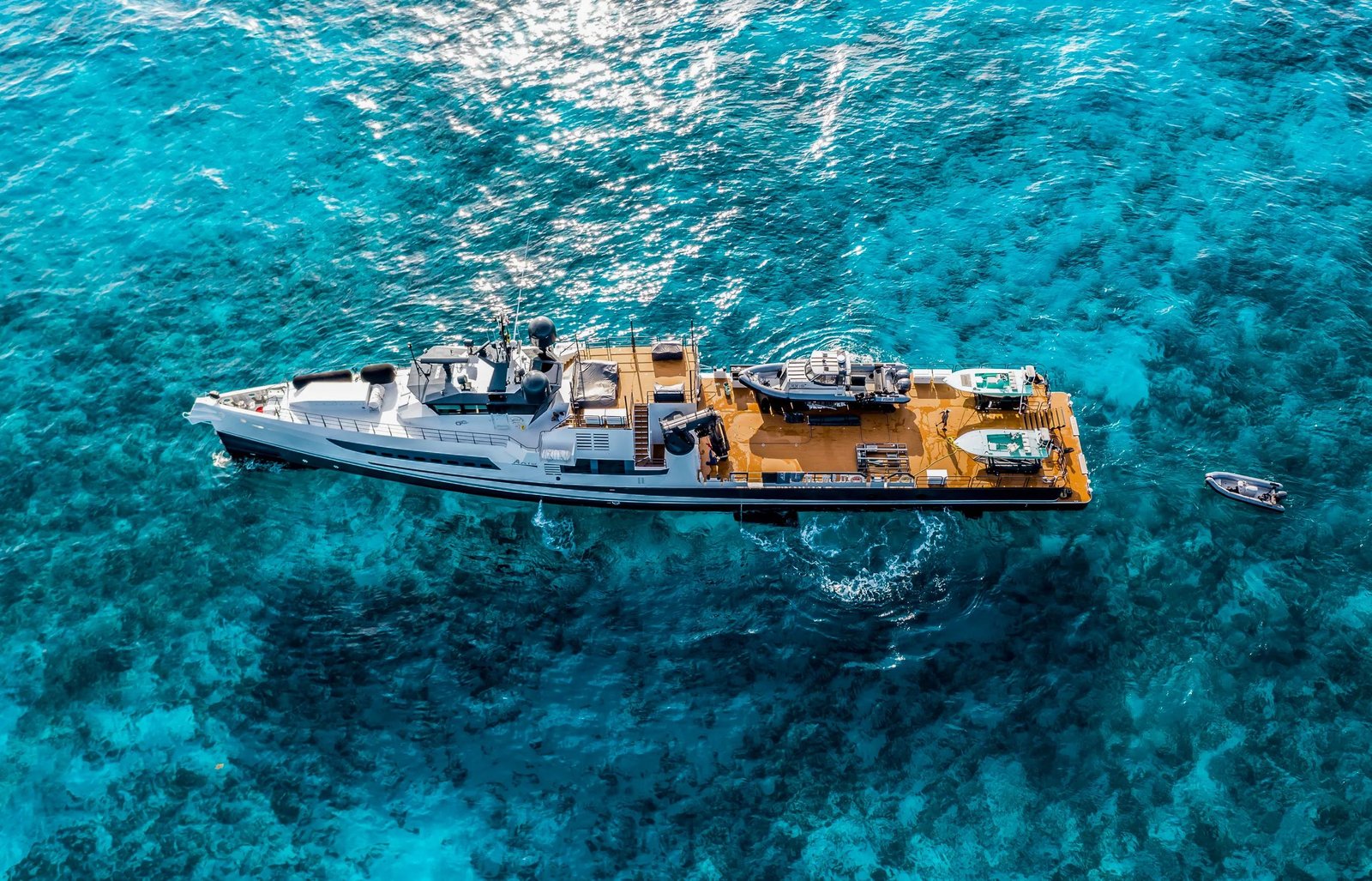
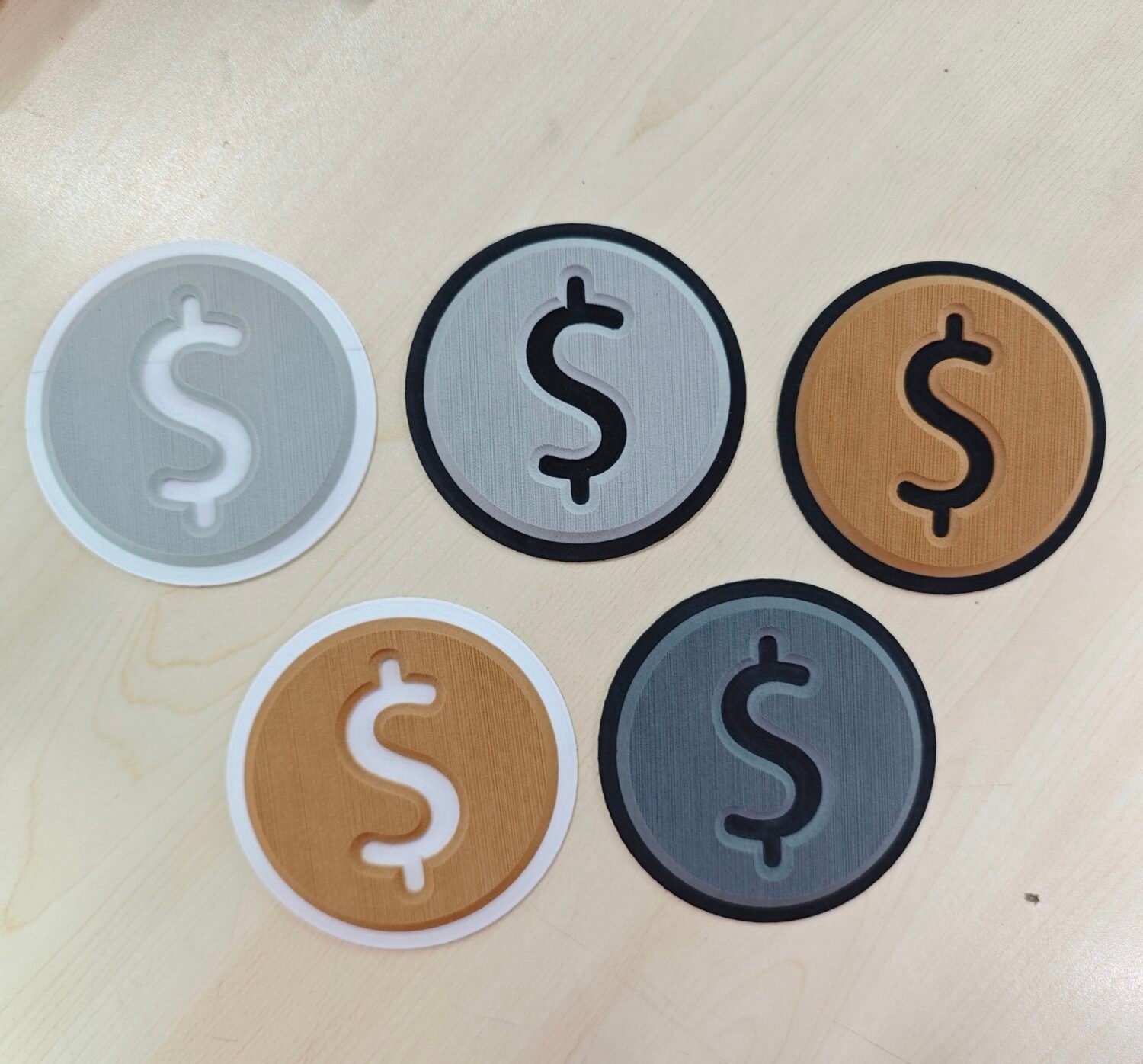
EVA Foam Boat Floor Sample Kit
This is a sample kit of EVA foam flooring, featuring five color combinations: gray-black, gray-white, brown-black,…
Basic Definition and Explanation of EVA
EVA is a thermoplastic polymer synthesized through copolymerization of ethylene and vinyl acetate. It is not a single-component plastic or rubber, but rather a copolymer that combines characteristics of both.
At room temperature, it exists as a soft solid. When heated to 80–100°C, it softens and melts, enabling processing into various forms such as sheets and foam through techniques like injection molding and foaming (e.g., the commonly seen EVA sheets).
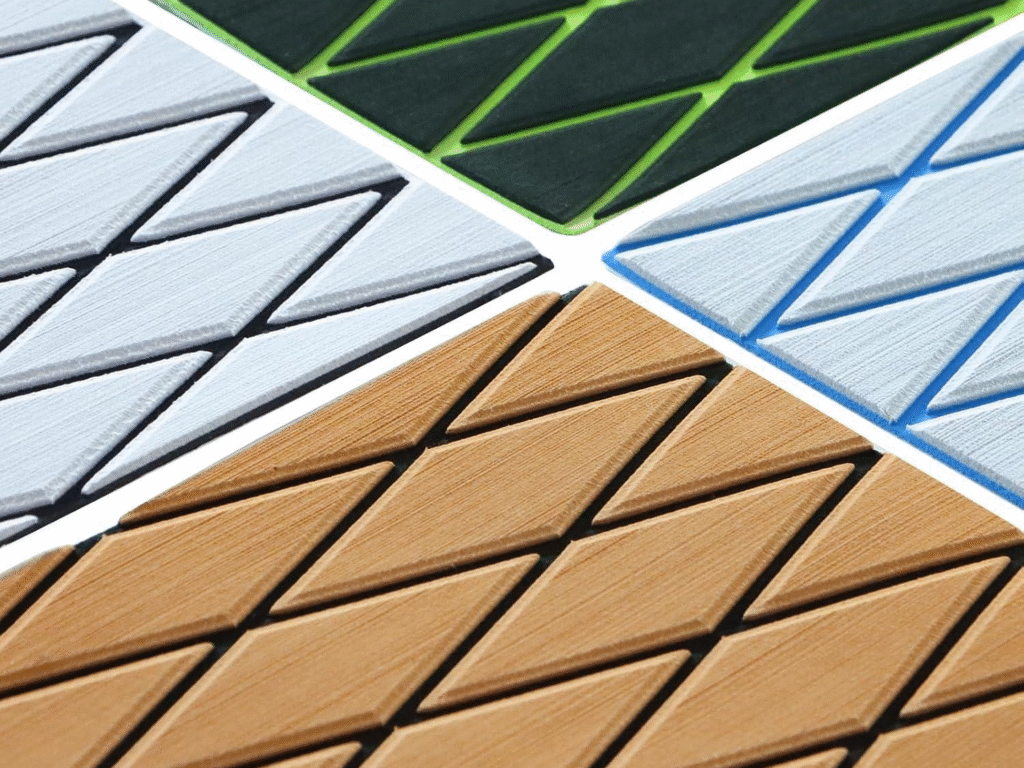
Characteristics of EVA marine flooring
Anti-slip Properties:
High-friction EVA material features specially textured or raised surfaces that effectively increase friction, preventing slips and falls. It maintains excellent anti-slip performance even in wet conditions.
Water Resistance and Corrosion Resistance:
With decks constantly exposed to seawater, flooring materials must possess superior water resistance to prevent corrosion. EVA’s inherent water resistance prevents the anti-slip mat from mold growth, deformation, or decay, ensuring a long service life.
Comfort:
EVA marine flooring typically offers cushioning properties, providing crew and passengers with a more comfortable walking experience. This is particularly beneficial during extended periods on board, helping alleviate foot fatigue.
UV Resistance:
As boats are frequently exposed to sunlight, flooring materials require UV resistance to prevent fading, aging, or brittleness from prolonged sun exposure. EVA marine flooring inherently possesses this capability.
Easy Cleaning:
Marine environments are complex and often involve water spills and oil stains. EVA marine flooring surfaces are smooth and resist water pooling, making them simple to clean and maintain. They can be rinsed directly with water or wiped with specialized cleaners.
Simple Installation:
Most EVA sheets feature a self-adhesive backing, allowing users to cut and install them freely as needed. Some yacht anti-slip mats use a modular interlocking design, facilitating customization to fit deck dimensions and shapes.
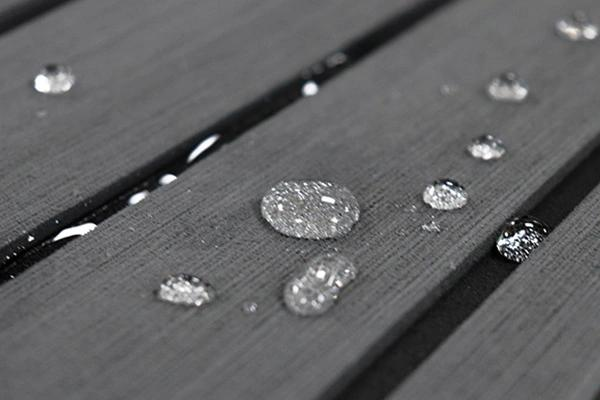
Marine Applications of EVA Material
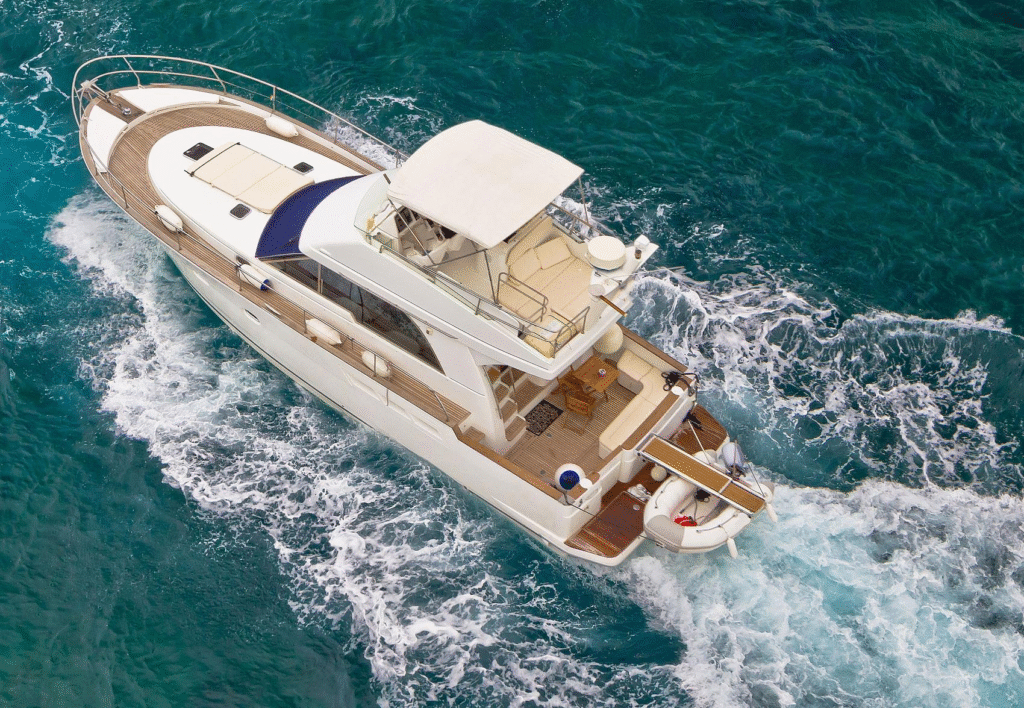
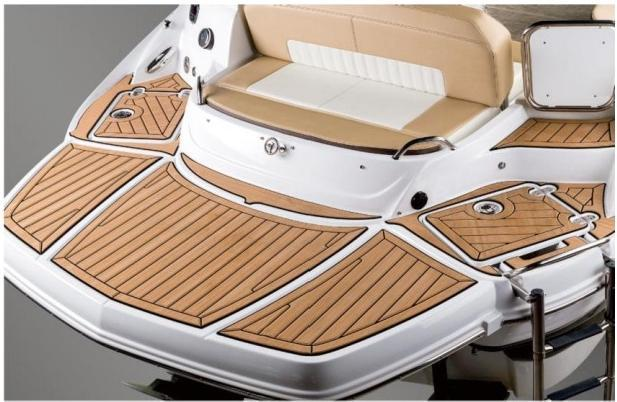
✔ EVA Marine Flooring / Anti-Slip Mats
Suitable for: Yacht decks, fishing boats, motorboats, and other vessel surfaces, as well as dock steps and marine stairways.
Advantages: Waterproof and moisture-resistant, slip-resistant and wear-resistant (textured surface design enhances grip in wet conditions), shock-absorbing and cushioning (reduces foot fatigue), seawater corrosion-resistant (no mold growth, non-absorbent), and lightweight (easy installation and removal).
✔ Water Sports Equipment Accessories
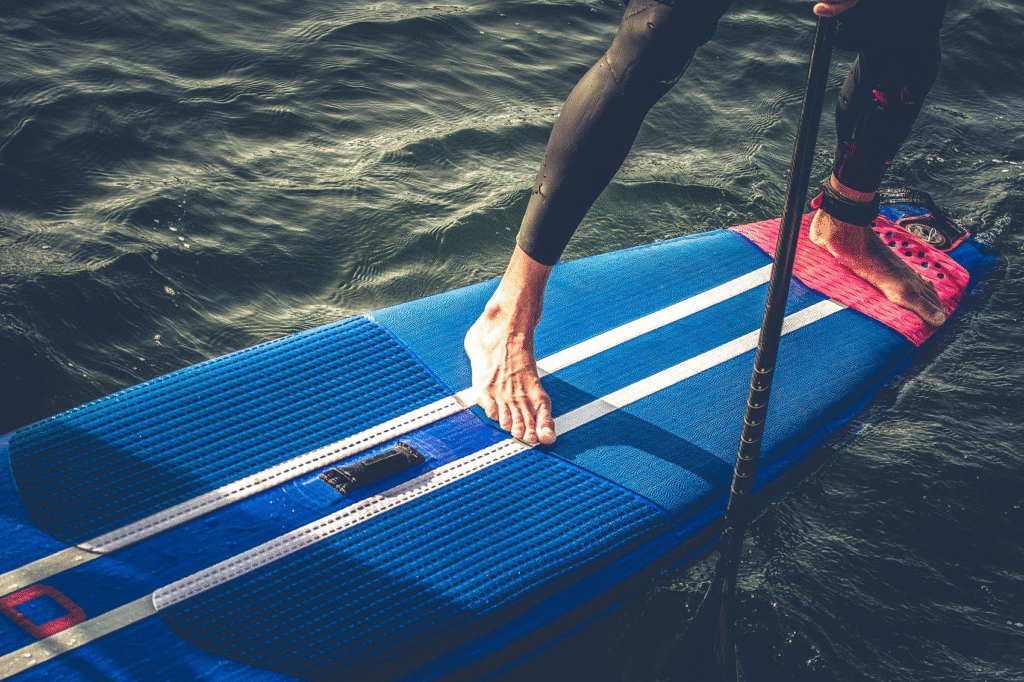
Surfboard / Paddleboard Anti-Slip Pads: Utilizing EVA’s high elasticity and slip resistance, these pads conform to board surfaces to enhance foot feel and stability during sports;
Wetsuit / Life Jacket Liners: Soft against the skin, lightweight yet warm, waterproof without absorbing moisture to prevent weight gain during prolonged immersion;
Jet Ski / Speedboat Handrail Covers: Cushioning and slip-resistant, reducing hand friction injuries during high-speed operation.
Comparison of EVA marine flooring with Other Traditional Materials
| Material | Environmental Friendliness | Anti-Slip Properties | Shock Absorption | Weather Resistance | Waterproofing | Lightweight | Workability | Aesthetic Appeal |
| EVA | Non-toxic and odorless | Excellent | Soft and elastic | UV-resistant | Non-absorbent | Lightweight | Easy to cut and engrave | Multiple colors |
| PVC | Contains plasticizers | Less effective when wet | Relatively hard | Prone to brittle cracking | Waterproof but prone to aging | Heavy | Difficult to process | Limited color options |
| Rubber | Contains some harmful chemicals | Good | Good elasticity | Good, but some rubber may oxidize | High water absorption | Heavy | Difficult to process | Limited color options |
| PU | May contain VOC, difficult to recycle | Good | Moderate elasticity | Prone to aging and hardening | Excellent waterproofing | Heavy | Complex processing | Aesthetically pleasing |
| Wood | Prone to rot, not eco-friendly | Poor slip resistance | Hard | Prone to warping and cracking | Absorbs water easily, prone to rot | Heavy | High processing costs | Natural wood grain, but limited color options |
Installation and Maintenance Tips of EVA marine flooring
Installation Recommendations:
1) Only install EVA Marine Flooring in temperatures between 50° F to 100°F (10°C to 38° C)
2) Do not attempt to adjust or move once the installation process has begun.
3) To prevent distortion, avoid pulling, stretching, or compressing pads during installation.
Preparation:
Use acetone and a clean rag to remove all grease, adhesive, mold-release, wax, dirt, and other substances from the areas where EVA marine flooring is going to be installed. Next, use isopropyl alcohol and a new clean rag to remove all leftover residue. Ensure the area is completely dry before continuing (approximately 30-60 seconds after the acetone was applied)
Installation:
1) Before pulling back any paper backing, lay out the pads in their designated locations to verify that the fit and spacing is correct.
2) Identify the first pad to install, then tum the pad over so that the adhesive backing is face up With a sharp razor knife, carefully cut the paper adhesive backing from the center of the pad towards the edges (center to top edge, center to bottom edge) to ensure it does not rip. Be sure to completely cut through the adhesive backing but DO NOT cut into the pad.
3) Now starting from the center cut you just made, peel back 2″ (5 cm) of the paper backing and fold to crease it. Repeat on the other side. Fold both pieces of the paper backing in place to cover the adhesive.
4) Turn the pad back over and reposition it exactly where you want it installed.
5) Firmly secure one side of the pad to the surface area using masking tape. Taping prevents the pad from moving.
6) Lift up the side that is not taped down and peel the paper backing to the crease. Gently lay the pad back in place.
7) Firmly press down on the pad where the exposed adhesive is. Apply pressure from the center of the pad outward (center to top, center to bottom) to ensure no air is trapped beneath the pad.
8) Continue to line the pad and peel back the paper backing to expose an additional 2″-3″(5 cm’-7.5 cm) and repeat step 7 Continue until one complete side of the pad is adhered.
9) Once the first side is complete, remove the masking tape and repeat steps 7 and 8 for the other half of the pad. Apply even pressure to the pad to ensure!a firm bond between the pad and the surface area.
10) Firmly press down on all edges to ensure no water will permeate the pads.
Tips:
It’s recommended to wait 1-2 hours after installation before using the deck to allow the glue to penetrate the deck and secure it.
Maintenance:
1) If stained with fish blood, red wine, or other colored liquids, rinse with water as soon as possible before the liquid dries.
2) Do not apply pressure to a small area.If pressure is necessary, apply pressure to the entire EVA foam pad.
3) Avoid excessive heat exposure. Localized, sudden heat can cause the material to shrink and damage the internal structure. Note: The glass refraction focal point on the hull generates high temperatures.
4) If peeling occur, please clean the surface well, and re-adhere the deck with additional glue, such as 3M PSA, spray adhesive,polyurethane glue.
Ready to transform your Boat?
① Visit our online contact form to upload your information.
② Email info@boatdeckkit.com for a free consultation.
③ You can click here to order a sample kit.


[…] EVA Material VS Traditional Materials: Durability Advantages Revealed […]