On Sale Now!
The marine environment is complex and variable. High humidity, intense UV radiation, frequent foot traffic, cargo handling impacts, and other factors pose extremely demanding challenges to the durability of boat flooring. As a core component of a boat’s interior space, the durability of flooring directly impacts navigation safety, operational costs, and passenger experience. Among various boat flooring materials, EVA stands out due to its unique molecular structure and properties, demonstrating comprehensive advantages in durability that far exceed traditional materials like PVC, rubber, and wood flooring. This makes EVA one of the preferred materials for modern boat flooring.
Durability Challenges in Marine Applications
Assessing a material’s durability requires focusing on the core demands of marine environments: corrosion resistance, resistance to moisture and mold, UV aging resistance, abrasion resistance, and resistance to deformation and cracking. Simultaneously, it must meet requirements for slip resistance and ease of maintenance. Traditional boat flooring materials exhibit significant shortcomings when confronted with these challenges.
PVC materials were once widely used for ship flooring due to their low cost and ease of processing, but they fall short in durability. When exposed to marine environments long-term, the surface coating of PVC is prone to corrosion, leading to peeling and discoloration. Its poor UV resistance causes accelerated aging and brittleness when exposed to sunlight, eventually cracking and shortening its lifespan. Additionally, PVC has limited impact resistance. Collisions with cargo can cause dents and damage that cannot be restored.
Rubber materials offer some elasticity and slip resistance but fail to meet durability requirements. Rubber absorbs water readily. Prolonged exposure to high humidity in marine environments causes internal structural aging due to water absorption, leading to hardening and cracking. Its corrosion resistance is average, and mold easily grows on its surface, compromising both aesthetics and structural stability. Furthermore, rubber flooring has poor abrasion resistance. In high-traffic areas, it wears down and frays easily, typically resulting in a short service life.
Wood flooring was once a common choice for premium boats, but its durability is poorly suited to the marine environment. Wood’s inherent tendency to absorb moisture makes it susceptible to swelling during humid marine conditions and shrinking during dry spells, leading to warping, buckling, and cracking. Salt spray corrodes the wood’s internal fibers, accelerating decay. The surface is also prone to scratches and abrasion, requiring high maintenance costs like regular waxing and preservative treatments—making it difficult to meet the demands of long-term, stable marine use.
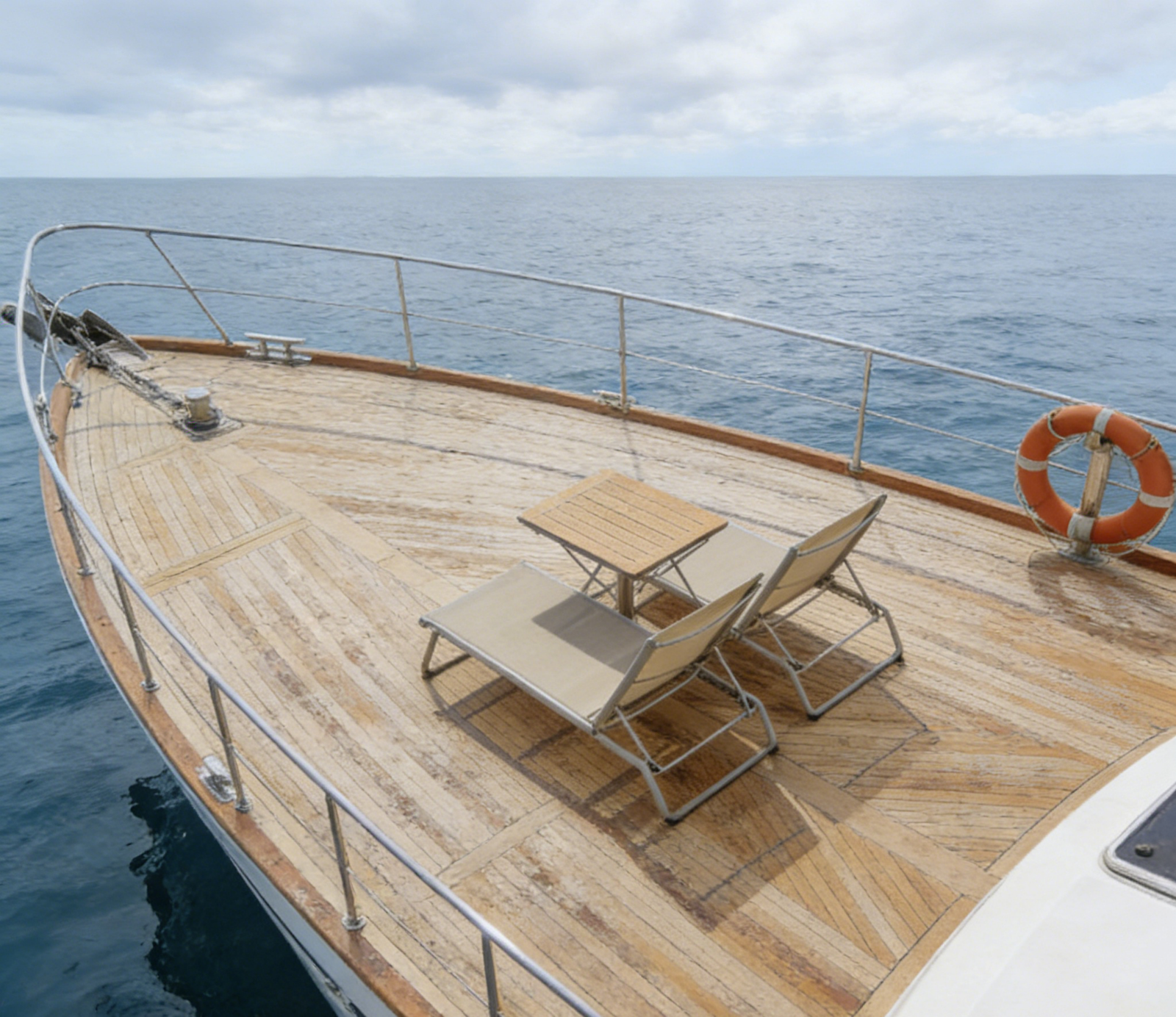
EVA Material VS Traditional Materials: Durability Advantages Revealed
Compared to traditional materials like PVC, rubber, and wood flooring, EVA material outperforms them comprehensively in onboard durability due to its unique chemical structure and physical properties. Its advantages become more evident when examined from multiple perspectives.
In terms of corrosion and aging resistance, EVA material exhibits exceptional stability. EVA materials are non-absorbent to water and oil, effectively resisting corrosive substances like salt spray and seawater. Even when exposed to marine environments for extended periods, they remain unaffected by moisture, corrosion, or mold. Additionally, they offer excellent UV resistance. When combined with anti-aging additives, they effectively withstand UV degradation, preventing aging, brittleness, or cracking. Consequently, their service life significantly exceeds that of traditional materials.
In terms of abrasion resistance and impact resistance, EVA material also performs exceptionally well. EVA possesses high hardness and toughness. With a specially treated surface, it is exceptionally wear-resistant, easily withstanding frequent foot traffic and impacts from cargo handling without showing signs of abrasion or indentation. Its elasticity and cushioning properties also absorb external impacts effectively. Even when subjected to heavy loads or collisions, it returns to its original shape without permanent deformation or damage. In contrast, PVC lacks sufficient impact resistance, rubber has poor abrasion resistance, and wood flooring is easily scratched or damaged—none of which meet the demands of high-intensity marine applications.
In terms of dimensional stability, EVA material holds a clear advantage. Whether exposed to intense sunlight or low temperatures, EVA exhibits minimal expansion or contraction, preventing floor warping or deformation. PVC, however, is prone to thermal expansion and contraction with temperature fluctuations, while wood flooring shows significant warping with humidity changes—both factors compromising floor safety.
Core Advantages of EVA Material: More Than Durability, Perfectly Suited for All Marine Applications
The durability of EVA marine flooring stems from its inherent properties. These characteristics not only ensure longevity but also enable comprehensive adaptation to all marine scenarios, making it a premium choice that combines practicality with comfort.
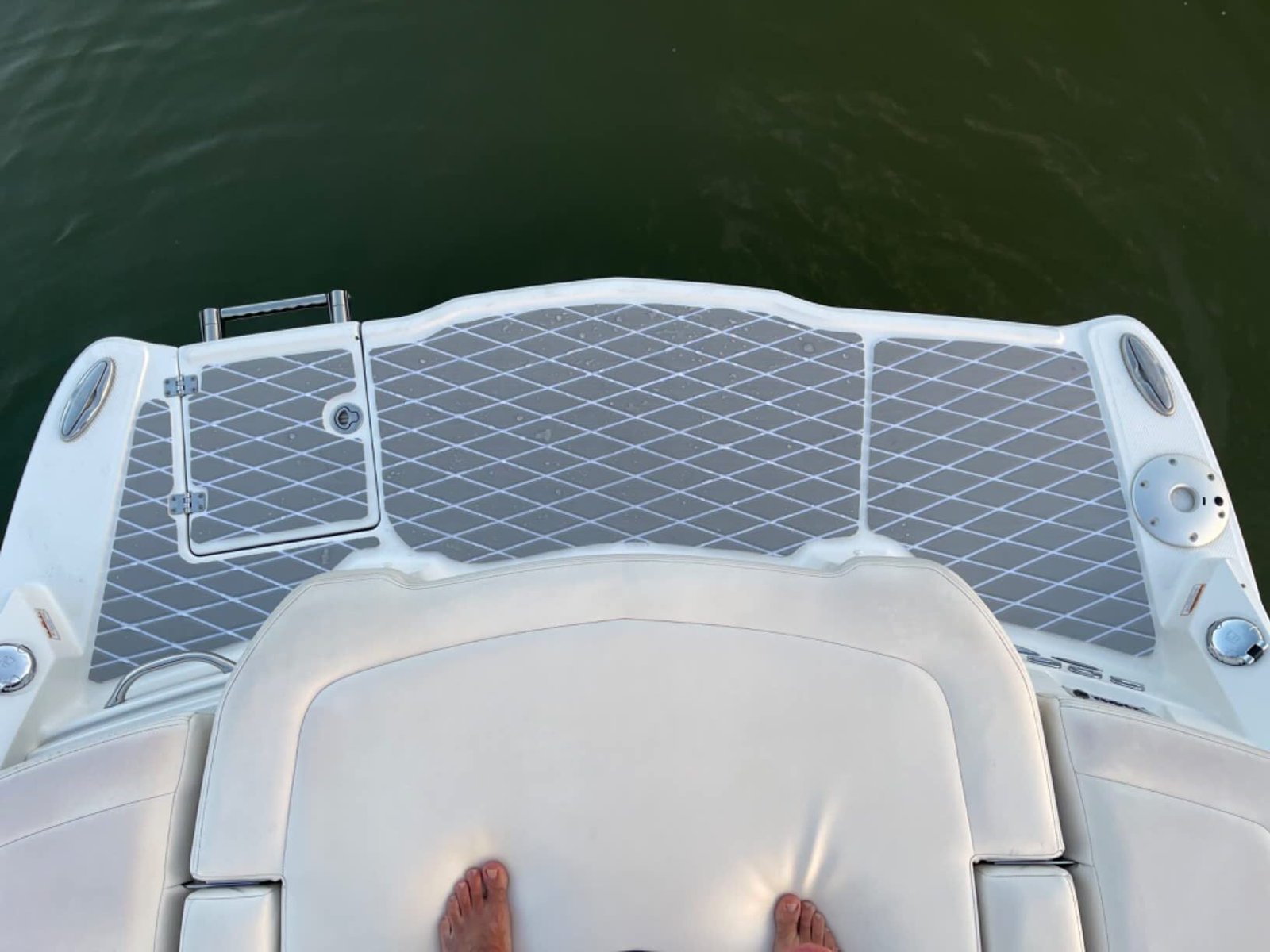
Exceptional waterproofing and moisture resistance
EVA’s closed-cell structure prevents water absorption and air permeability, effectively blocking seawater and humidity penetration—crucial for long-term durability in marine environments. Whether on decks, cabins, or damp areas like bathrooms and kitchens, EVA flooring remains stable without corrosion from moisture.
Exceptional weather resistance and chemical stability
EVA exhibits strong resilience against temperature fluctuations, UV exposure, and salt spray corrosion, adapting seamlessly to the marine environment’s complex conditions. It also demonstrates excellent tolerance to various chemical agents (such as oil stains and cleaning agents), resisting corrosion and dissolution, thereby reducing routine maintenance costs.
Excellent elasticity and shock absorption
EVA material offers moderate elasticity, providing comfortable underfoot feel for personnel while effectively absorbing vibrations and noise generated during vessel operation. This elasticity also enhances impact resistance, minimizing damage from heavy object collisions.
Easy processing and installation
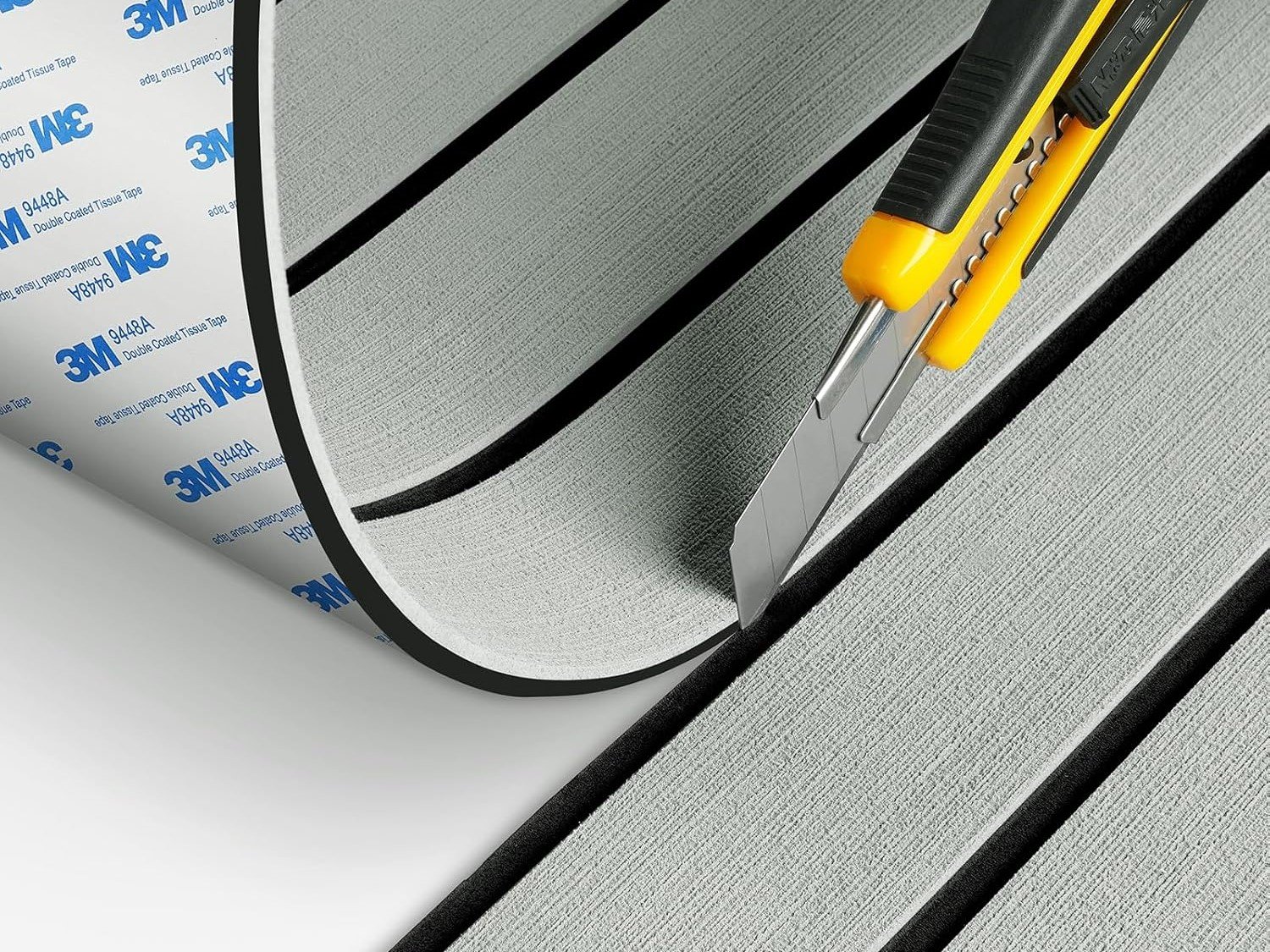
EVA material can be cut, heat-pressed, or otherwise processed into various sizes and shapes to fit complex interior spaces. Its lightweight nature allows for simple, convenient installation. Furthermore, the smooth, flat surface of EVA flooring makes cleaning effortless—a quick wipe is all that’s needed to maintain cleanliness, ensuring extremely low-maintenance upkeep.
Conclusion: EVA Material Pioneers a Revolution in Marine Flooring Durability
Under the rigorous demands of marine navigation environments, durability is the core competitive advantage for marine flooring. Compared to traditional materials like PVC, rubber, and wood flooring, EVA demonstrates comprehensive superiority in key durability metrics such as corrosion resistance, aging resistance, abrasion resistance, impact resistance, and dimensional stability. It also offers multiple advantages including waterproofing, moisture resistance, comfort, shock absorption, and easy installation, perfectly meeting the requirements of modern vessels. EVA marine flooring is poised for widespread adoption across diverse vessel types, providing reliable support for the advancement of maritime operations.